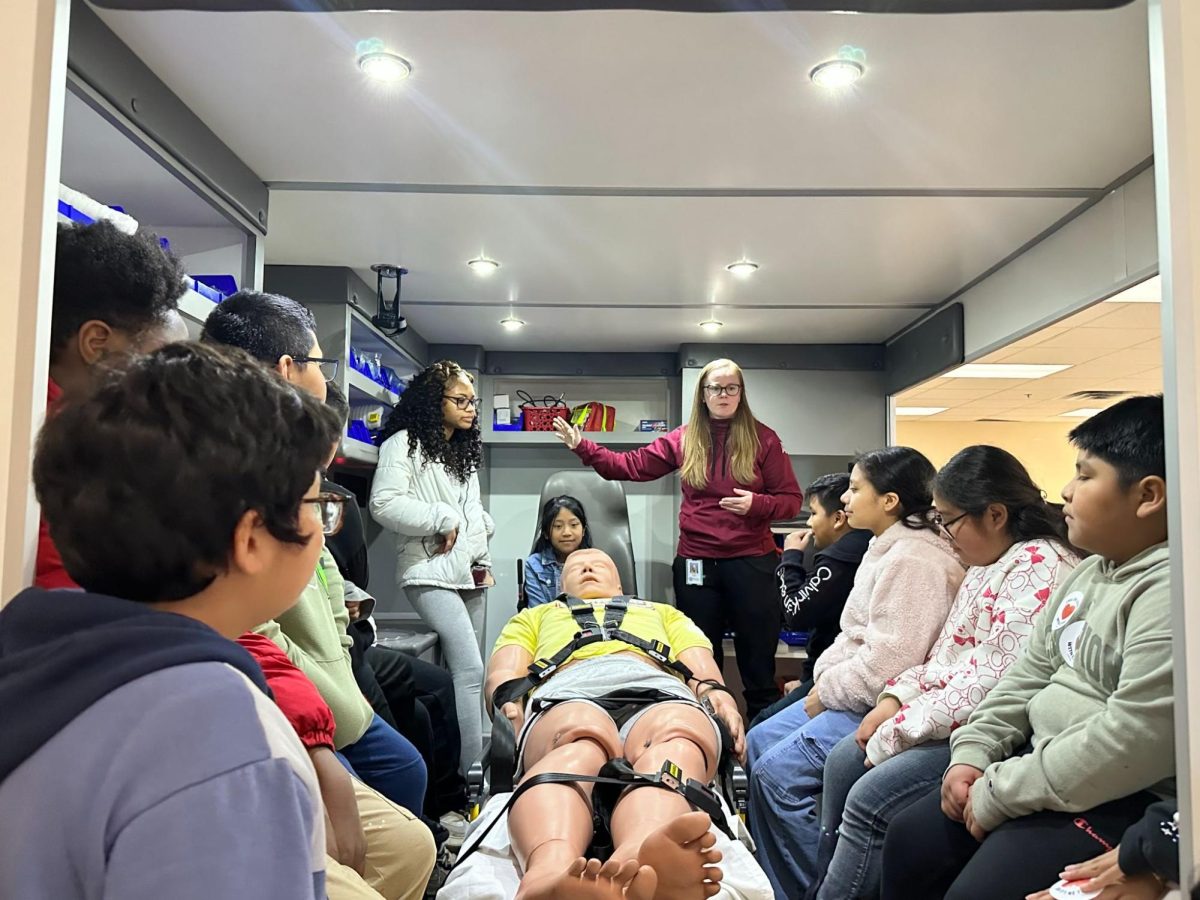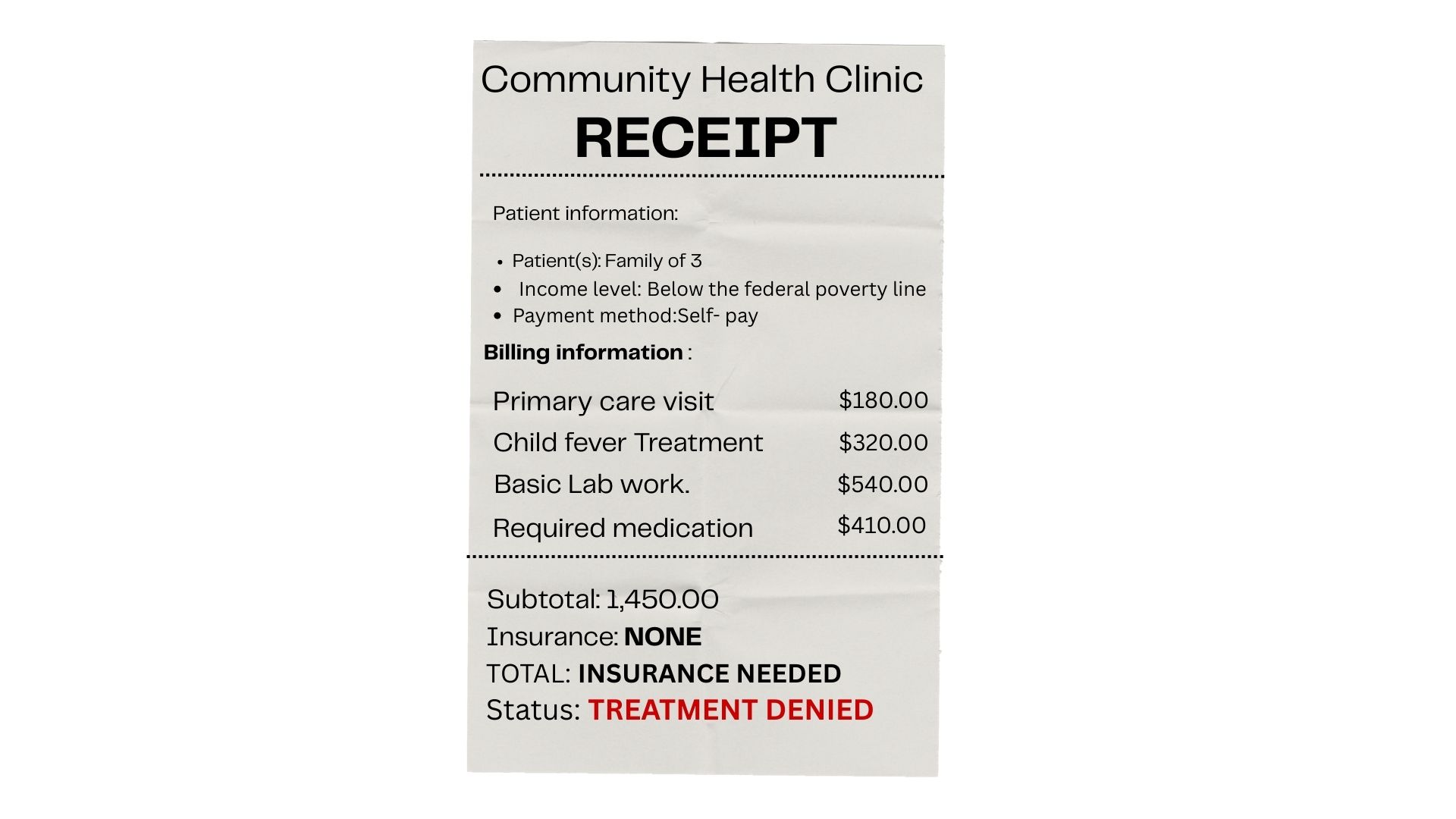
Access to healthcare has changed significantly over the past decade. Seen as a basic necessity, yet for many low-income individuals, it has become incredibly difficult or near impossible to obtain it. Financial Barriers such as high insurance premiums, expensive Hospital bills, and medications, prevent people from getting the basic care they need. The National Institute of Health states that “People in poor households had worse access to healthcare than people in high-income households for 79 percent of access measures,” Showing that high-income households had access to seeing a doctor, getting prescriptions, and preventive care. As a result, for under-resourced families, dental health worsens, leading to physical health complications and possible untreated chronic conditions. Nurse Trippe mentions, “There are students that won’t get the check up they need, and therefore they’re sick, more affecting an increase in absences from attending school.” These healthcare barriers highlight how limited access can have lasting effects, not only on physical health but also on education and long-term opportunities.
Although March 23, 2010 showed a different viewpoint on healthcare access. Signed by President Obama, the federal law helped provide insurance coverage for millions. “The Affordable Care Act (ACA)” expanded health insurance coverage by making it cheaper with online marketplaces. It also lets young adults stay on their parents’ insurance till the age of 26. Due to the increase in defunding and cuts to healthcare access, there is much coverage gaps in many states. Some adults make too much to qualify for Medicaid but too little to get the ACA benefits/subsidies. This can lead to families delay care, and the needed care is often skipped. When the necessary care is required, manageable conditions worsen families tend to rely on emergency rooms for treatment and options, which is more expensive and less effective as time goes on. Even when programs like medicaid is available, many low-income families don’t understand eligibility rules, struggle with paperwork, or find it hard to navigate appointments/insurance terms. Together, this demonstrates that insurance coverage alone is insufficient to ensure healthcare access for low income families.
Some people may argue when expanding healthcare access because they are worried about higher taxes. They believe the government funded healthcare would financially affect everyone. Others also believe that healthcare should be a personal responsibility and something not provided by the government. The majority of the thought behind these views is that the US healthcare system is heavily funded through taxes and subsidies. The Commonwealth Fund clarifies, “The expansion of Medicaid under the ACA was fully funded by the federal government until 2017, after which the federal funding share gradually decreased to 90 percent. CHIP is funded through matching grants provided by the federal government to states. Most states (30 in 2018) charge premiums under that program.” This shows that government healthcare programs rely heavily on tax revenue. The adversary of expanded healthcare argues that because these programs are funded through taxes, they increase financial responsibility for taxpayers. Although access to healthcare for low income individuals remains debated because many cannot afford private insurance. While government programs required funding through taxes Supporters believe these programs help cover care and prevent larger health issues, while opponents worry about the financial impact on taxpayers and the role of government.
Despite healthcare being widely recognized as a basic human necessity, financial barriers continue to restrict & limit access for low income families, resulting in long term effects for physical health, education, and economic hardship. While the Affordable Care Act increased insurance availability for millions, many low-income families still face coverage gaps and expensive healthcare. There are still ongoing debates on tax-funded programs for healthcare and long-term public health. Ultimately, having/providing insurance is only one thing to navigating and access to healthcare remain significant challenge for the under-resourced populations.