






































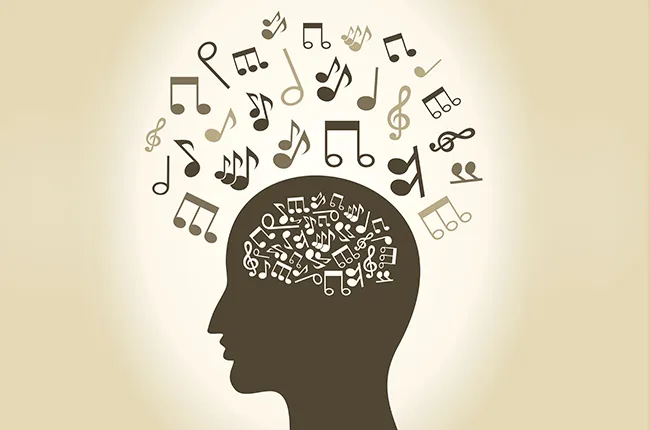
Music has been a part of human life since the dawn of time. Our brains are wired for music, which is likely one of the major reasons for its universality. However, its impact on teenagers today is more profound than ever, whether it influences our emotions and social connections or shapes our identities and cognitive abilities. According to the International Federation of the Phonographic Industry (IFPI), the average hours spent listening to music was 18.4 hours per week in 2021. Recently the IFPI found that during 2023, the average time spent listening to music per week was 20.7 hours. This widespread exposure to music has led curious researchers to examine the effects of music on teenagers’ mental health and behavior.
Most areas researchers find interesting is how music leads to negative effects on teenager’s lives. In a report by The of Pediatrics and Adolescent Medicine, One in three popular songs contains explicit references to drug or alcohol use. To be put into perspective, This means teenagers are exposed to about 35 references to substance abuse for every hour of music they listen to. This makes you think about the study by Tianying Wang, Ying Zhao, and Maoyuan Yin that covered how the content of music may induce emotions and behaviors. For example, lyrics containing violence, sex, discrimination, and negativity may influence how adolescents act. The emotional tone of music can influence the listeners’ emotional state, Studies indicate that listening to melancholic and intense music may induce negative emotions. Other studies have demonstrated that young people interpret and internalize lyrics more than adults do. Therefore, the youth are more susceptible to these negative influences than adults.
However, Music has many positive outcomes for teenagers. It facilitates emotional expression and regulation, helping teens cope with stress and anxiety. According to Tiansheng Xia, “Music is considered a vital source of creativity. Through music composition and improvisation, teenagers can freely explore and express their thoughts, emotions, and imagination.” Music can have a profound effect on both the emotions and the body. According to a study done by the University of Nevada, they prove how upbeat music can make you feel more positive about life, Music just affects people’s feelings. It brings out emotions in you and makes you happy and sad. and a slower tempo can quiet your mind and relax your muscles, making you feel soothed while releasing the stress of the day. Music helps teens heal from anxiety, depression, trauma, and psychosis. Not just stress.
The fact that music evokes emotion is obvious, but certain melodies are embedded in our everyday memories. For example a tune from your favorite movie or a song that played in the car that you sang along to with someone special. This proves how music helps us feel. Music has also been shown to reduce pain. For patients with Alzheimer’s disease, its benefits may be that singing and listening to music improves mood, helps retrieve old memories, and could even improve general thought processes. Therefore, music helps us heal. Beyond the individual, music plays a vital role in society, and in social change. Think about how we use songs in our own lives to mark major changes such as births, deaths, and weddings. The power and the ability to change ourselves and change the world are almost always linked with a song of one kind or another. So lastly, music fosters change.
Ultimately, the impact of music on teenagers remains complex and multifaceted. While it provides emotional support, shapes identity, and offers a sense of community, it can also potentially influence behaviors and attitudes. As with many aspects of adolescent life, moderation, and parental guidance are key in harnessing the positive effects of music while mitigating potential negative influences.