











Venezuela’s presidential power and past
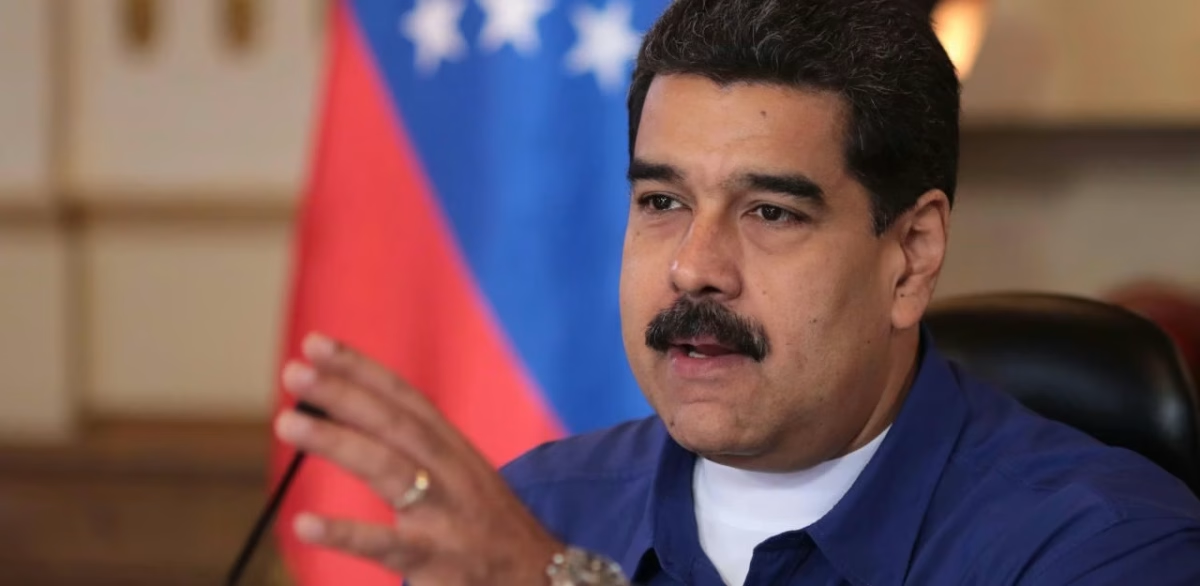
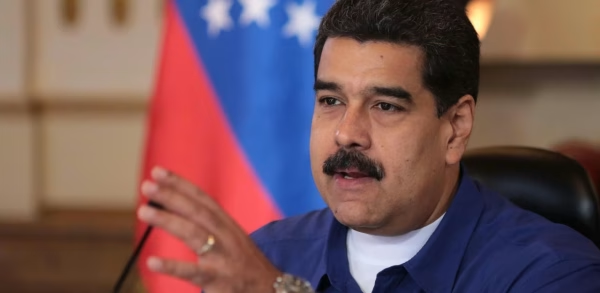
Nicolás Maduro was born in Venezuela in 1962 and started as a bus driver and later became a union leader, allowing him to gain a reputation as an organizer. His career in politics, however, only started in the late 1990s and he reached his high standing as an ally of Hugo Chávez, the president at that time. He served as the speaker of Venezuela at the National Assembly and then a minister of foreign affairs. After Chávez’s death, he became president after a highly controversial special election, where he was first accused of vote tampering and cheating.
After essentially rigging his first election and becoming president, Venezuela experienced severe economic collapse due to hyperinflation, mass food shortages, and an 80 percent reduction in the country’s GDP. Many citizens protested, only to be suppressed. Over 100 were killed from 2014 to 2017 during these protests. In elections after, he declared himself the winner of each election despite the polls proving otherwise. After this, many countries, including the U.S., refused to recognize Maduro as the official president of Venezuela. In addition, Maduro was also implicated to have been in a notorious drug-trafficking organization, “The Cartel of the Suns.”
U.S. involvement in Venezuela’s presidential change
Following Chávez’s death in 2013, tensions between the U.S. and Venezuela rose. However, events reached a fever pitch on Sept. 2, 2025. The United States carried out its first attack on a boat, and all 11 on board were killed. According to President Trump, the vessel was carrying drugs and was being operated by Tren de Aragua. Tren de Aragua is another drug-trafficking cartel. He followed this statement by posting a short clip of a boat at sea engulfed in flames.
About eight days later on Sept. 10th, Democratic senators sent a letter to the administration that the U.S. “had no legitimate legal justification” to strike. Senator Reed of Rhode Island stated that we were not empowered to hunt down suspected criminals and kill them without trial.
Five days later on Sept. 15, the U.S. unleashed a second attack on another alleged drug boat, killing three people.
This event sparked worry in many Americans. Some were afraid that President Maduro would strike back, and some were concerned about the ethicality and legality of bombing suspected drug boats, even without proof or trial. Others were glad that the drugs and gang members were killed, keeping more people safe. However, with 13 people dead, these events became highly controversial very quickly. As of the last confirmed strike on Dec. 31, 2025, there were 32 more boat strikes (at least 35 total) on alleged drug boats and at least 115 to 123 people dead.
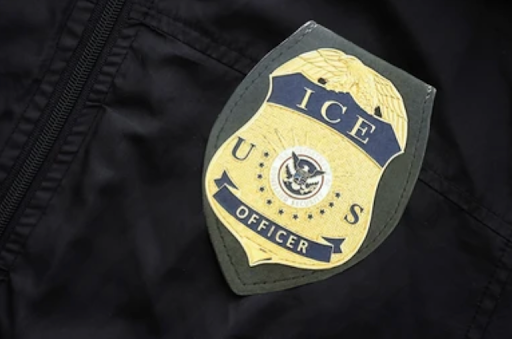
Maduro was captured on Jan. 3, 2026 by U.S. forces, along with his wife, Cilia Flores during a military operation in Caracas. He was arrested under accusation of running an “illegitimate and corrupt” government and participation in drug-trafficking networks like Tren de Aragua that sent large amounts of cocaine and drugs into the U.S.
Maduro and his wife were taken into custody facing federal charges, such as drug importation and narco-terrorism. They were also charged for possession of machineguns and destructive property and holding these devices to harm the U.S., according to U.S. Attorney General Pamela Bondi.
During the operation, Venezuelan authorities confirmed that a large part of Maduro’s security team was killed, but an exact number was not given. However, the Cuban government reported that 32 Cubans “lost their lives” while “carrying out missions.” President Trump reported no American casualties.
Venezuela’s new interim president and future
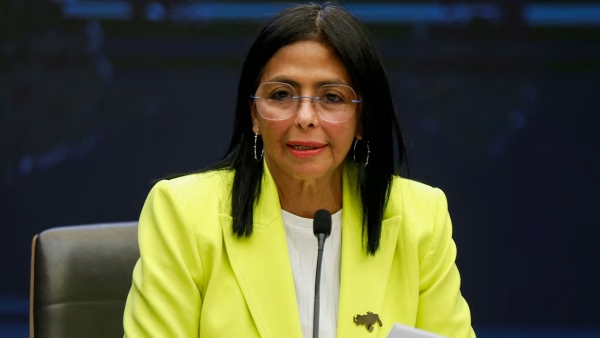
The new interim president of Venezuela is Delcy Rodriguez. Before her presidency, she held high-standing positions under Chávez and Maduro, such as Minister of Communication and Information (2013), Foreign Minister (2014-2017), Minister of Finance and Economy (2020-2024), and Minister of Petroleum (2024-2026).
Even as Venezuela has a new president, many think that Delcy Rodriguez is also corrupt.
Maria Corina Machado, the Venezuelan opposition leader and 2025 Nobel Peace Prize winner described Rodriguez as “one of the main architects” of Maduro’s corrupt regime.
In addition, the U.S. Treasury Department froze Rodriguez’ assets and sanctioned her for “corruption and humanitarian issues.” The DEA (Drug Enforcement Administration) also reported that Delcy Rodriguez has been a priority target since 2022.
As of late Jan. 2026, President Trump praised Rodriguez for her cooperation in sending oil to the U.S., but warned she would “pay a very big price, possibly bigger than Maduro” if she doesn’t follow U.S. orders.
Although Maduro’s removal ended after over a decade of his direct rule, the “repressive institutional apparatus” remains largely intact. Now, with the presidential demands of Venezuela and pressure from U.S. orders, Delcy Rodriguez is compelled to cooperate, though it remains to be seen if this partnership with the U.S. will stop the cycle of dictatorship or just reshape it.
*fair use photos